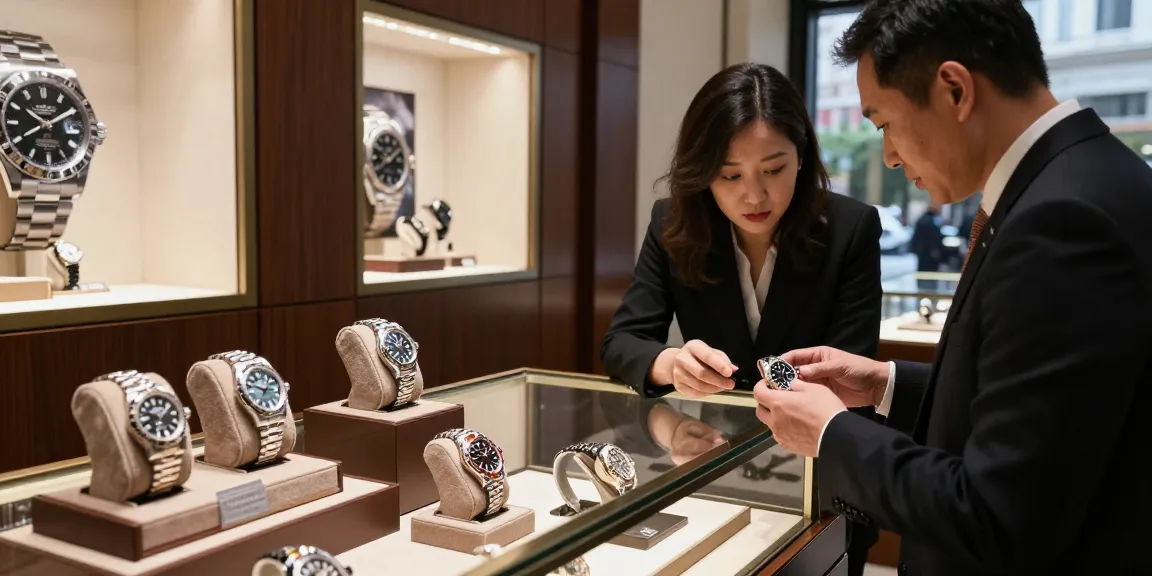
The Evolution of Clone Watches: A Brief History
The world of luxury timepieces has witnessed a dramatic evolution over the past few decades, with clone watches at the forefront of this shift. Initially seen as mere impostors of authentic luxury brands, these timepieces have developed into sophisticated alternatives that satisfy both aesthetic appeal and functionality for watch enthusiasts. The subtlety and accuracy with which these watches replicate the originals have drawn attention and, at times, ignited controversy. When exploring options, clone watches provide comprehensive insights into this burgeoning market, demystifying the distinctions between various categories of replicas.
Understanding the Clone Watch Phenomenon
Clone watches offer an intriguing blend of craftsmanship and innovation. Unlike conventional replicas, which often rely on lower-grade materials and movements, clone watches strive to achieve a one-to-one ratio with their originals, hence the term "super clone." This segment of the watch market has escalated in popularity, particularly among collectors and those who appreciate luxury without the exorbitant price tags associated with authentic pieces. Clone watches are recognized for their meticulous attention to detail, ensuring that aspects such as weight, dimensions, and even movement sound closely match the originals.
Key Differences Between Clone Watches and Traditional Replicas
The fundamental differentiator between clone watches and traditional replicas lies in their construction and quality assurance. While traditional replicas may be assembled using generic components that lack precision, clone watches typically employ high-quality materials such as 904L stainless steel, sapphire crystal, and authentic Swiss movements. This commitment to quality means that the experience of owning a clone watch comes closer to that of owning the luxury brand itself, making it a popular choice among discerning watch lovers.
Historical Milestones in the Clone Watch Industry
The clone watch industry has seen significant milestones since its inception. In the late 20th century, as globalization made luxury brands more accessible, counterfeit and replica markets began to flourish. However, it wasn't until advancements in manufacturing technology that the super clone market emerged, offering watches that could fool even seasoned collectors. Over the years, brands such as Rolex, Audemars Piguet, and Patek Philippe have become cornerstone symbols in this industry, with their iconic models being most frequently replicated.
Quality Factors: What Makes a Great Clone Watch?
Classifying a watch as a "great clone" requires an understanding of several quality factors, including materials, craftsmanship, and movement accuracy. The essence of clone watches lies in replicating not just the aesthetic appeal but also the intrinsic qualities that define luxury watches.
Materials and Craftsmanship in Clone Watches
High-quality materials are crucial in differentiating clone watches from lower-grade replicas. Using 904L stainless steel enhances both durability and resistance to corrosion, while sapphire crystals ensure scratch resistance. Additionally, the art of fine craftsmanship is evident in the detailing of each component—from engravings to the tactile feel of the watch's operation—demonstrating a commitment to replicating every nuance of the original.
The Role of Swiss Movements in Quality Assurance
Swiss movements play a pivotal role in the quality assurance of clone watches. These movements are not only accurate but also known for their reliability and longevity. Many premium clone watches incorporate Swiss clone movements, which mirror the operating mechanisms of their authentic counterparts closely. This fusion of innovation and tradition encapsulates what it means to wear a timepiece that delivers both style and substance.
How to Identify Quality in Clone Watches
Identifying a quality clone watch involves scrutinizing several factors: the weight of the watch, movement sound, and finish quality. Authentic luxury watches often possess a significant heft due to the materials used, while poor-quality replicas may feel unnaturally light. Listening to the movement’s ticking can also reveal much—authentic ticking sounds are smooth and rhythmic, while inferior movements might produce a distinct, irregular noise. In addition, inspecting the finishing touches, such as engravings and the alignment of components, is critical in discerning quality.
Popular Models: Top Clone Watches for 2026
As we move into 2026, several clone watch models stand out for their exceptional craftsmanship and design, reflecting the current preferences among collectors and enthusiasts.
Comparing Iconic Luxury Clone Watches
Iconic models like the Rolex Submariner, Audemars Piguet Royal Oak, and Patek Philippe Nautilus are frequently replicated due to their high demand. Each model presents unique challenges for replication but has also inspired a variety of high-quality clones. For example, the Rolex Submariner clone offers remarkable accuracy in both design and functionality, making it a favorite among enthusiasts.
New Arrivals and Trending Designs in Clone Watches
The market continuously evolves with new arrivals and trending designs. In 2026, we see a shift towards more complex models, including tourbillons and skeleton watches, gaining popularity. These intricate designs challenge manufacturers to push the boundaries of craftsmanship, making them truly special within the realm of clone watches.
Expert Reviews of Must-Have Clone Watches
Expert reviews often focus on assessing the accuracy of clone watches against their originals. Popular models such as the Richard Mille RM88 and the Omega Speedmaster are frequently highlighted for their superior replication of luxury aesthetics and functionality. Enthusiasts appreciate the detailed craftsmanship that goes into these clones, which ensures a remarkable wearing experience.
Buying Guide: How to Choose the Right Clone Watch
Choosing the right clone watch can be an overwhelming task due to the plethora of options available. However, with the right guidance, you can make an informed decision that aligns with your style and budget.
Factors to Consider Before Purchase
Before purchasing a clone watch, consider several critical factors: the reputation of the seller, materials used, and the warranty offered. Researching the seller’s credibility through reviews and testimonials can provide insights into the quality of their products. Additionally, understanding the materials used and ensuring the watch comes with a warranty can protect your investment.
Where to Buy High-Quality Clone Watches Safely
When it comes to purchasing clone watches, it is vital to choose reputable online platforms known for their quality assurance. Websites like SuperCloneWrist.com have established themselves as trustworthy sources by offering a range of options that meet high standards in craftsmanship and customer service.
Common Misconceptions About Clone Watches
Many misconceptions surround clone watches. One prevalent myth is that these timepieces are merely focus on aesthetics, overlooking their mechanical sophistication. In reality, quality clone watches often utilize intricate Swiss movements that offer durability and precision comparable to genuine articles.
Future Trends in the Clone Watch Market
The future of clone watches appears promising and dynamic, with exciting advancements on the horizon that will cater to evolving consumer preferences.
Emerging Technologies in Clone Watch Manufacturing
Advancements in manufacturing technology will likely continue to enhance the quality and precision of clone watches. Techniques such as 3D printing and laser engraving are becoming increasingly prevalent, allowing for more detailed and complex designs that were previously unattainable. This innovation will undoubtedly elevate the standard for clone craftsmanship.
The Growing Popularity of Sustainable Clone Watches
As consumer awareness of sustainability issues grows, many watchmakers are exploring eco-friendly options in their production processes. This includes using recycled materials for watch components and prioritizing ethical sourcing, which could appeal to a broader audience seeking responsible luxury goods.
Predictions for Clone Watches in the Next Decade
Looking ahead, the predictions for clone watches indicate an increasing emphasis on personalization and customization. Consumers are showing a preference for unique designs and features tailored to their styles, suggesting that the market will adapt to these desires, creating opportunities for bespoke clone watch offerings.
What Should You Know About Buying Clone Watches?
When considering the purchase of a clone watch, it is essential to weigh the pros and cons. Understanding the quality, reliability, and warranty options can empower buyers to make informed decisions while ensuring their investment holds value over time.
Are Clone Watches Worth the Investment?
Ultimately, whether clone watches are worth the investment comes down to individual preferences and values. For those who appreciate luxury designs without the hefty price tag, high-quality clone watches present an appealing alternative that doesn't compromise on style or functionality.