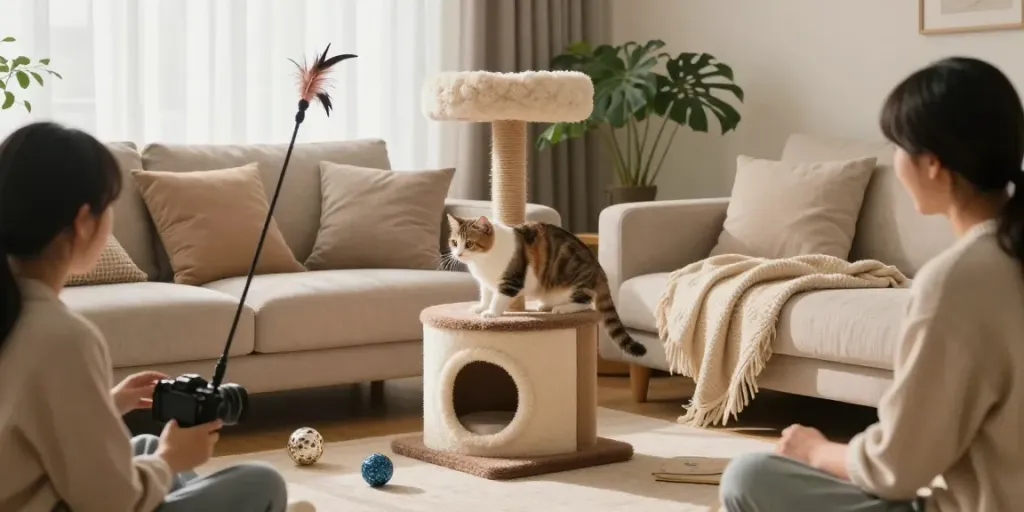
Understanding Cat Cat Trees and Their Benefits
As a cat owner, providing your feline friend with a stimulating environment is crucial for their well-being. One of the best ways to achieve this is by investing in a cat cat tree. These specially designed structures not only entertain cats but also contribute to their physical health and mental stimulation. In this article, we will explore what cat cat trees are, their benefits, how to choose the right one, how to set it up, maintain it, and what future trends to expect in this exciting pet furniture market.
What is a Cat Cat Tree?
A cat cat tree is a multi-level structure that provides a safe space for cats to play, scratch, climb, and rest. Typically made of wood or particle board and covered with fabric or carpet, these trees may include platforms, tunnels, and scratching posts. They come in various designs, sizes, and colours, making it easy to integrate them into your home decor while providing an enriching environment for your pet.
Key Benefits of Using a Cat Cat Tree
- Physical Exercise: Cat trees encourage climbing and jumping, providing essential exercise that helps maintain a healthy weight.
- Scratching Outlet: Many cat cat trees come equipped with sisal-covered scratching posts, allowing cats to scratch without damaging your furniture.
- Stress Relief: Having their own space helps reduce stress and anxiety for cats, especially in multi-pet households.
- Secure Resting Areas: High perches offer cats a vantage point where they can observe their surroundings safely, making them feel secure.
- Enhanced Mental Stimulation: The variety of activities available on a cat tree keeps cats engaged, reducing boredom and destructive behaviours.
Comparing Cat Cat Trees with Other Cat Furniture
When considering the best options for your cat, it's essential to compare cat cat trees with other types of furniture like cat condos or simple scratching posts. Cat condos often provide enclosed spaces for hiding and sleeping, whereas cat cat trees generally offer more vertical space and platforms for play. Additionally, scratching posts are beneficial but may not offer the climbing structures that cats love. Therefore, a well-designed cat cat tree can serve multiple purposes and is often the best choice for active and playful cats.
Choosing the Right Cat Cat Tree for Your Home
With a plethora of options available, selecting the right cat cat tree can be overwhelming. However, considering a few critical factors can simplify your decision-making process and ensure you choose the best model for your pet.
Factors to Consider Before Purchase
- Cat's Size and Age: Kittens and smaller breeds may prefer lower trees, while larger breeds and adult cats will benefit from taller structures.
- Space Availability: Measure the area where the cat tree will be placed to find a size that fits comfortably in your home.
- Height versus Stability: Taller trees provide more climbing opportunities but must be stable enough to prevent tipping, especially if your cat enjoys jumping.
- Features and Accessories: Look for trees that include multiple levels, scratching surfaces, and fun features like hanging toys to keep your cat engaged.
Size and Space Requirements for Cat Cat Trees
When considering size, it's essential to balance the height of the cat cat tree with the space available in your home. Most cat trees range from 3 to 7 feet in height, and they often require a footprint that can accommodate the base. If you live in a smaller space, compact designs may be more suitable, providing enough play areas without overwhelming your living room. For larger homes, opt for multi-level trees that allow your cat to climb and survey their domain.
Materials and Durability: Ensuring Quality
Durability is paramount when investing in a cat cat tree. Look for one made from solid wood or high-quality particle board rather than flimsy materials that may not withstand vigorous play. The fabric should be easy to clean and resistant to scratching. Additionally, ensure that the posts are sturdy and wrapped in sisal to satisfy your cat's natural scratching instincts.
How to Set Up a Cat Cat Tree Effectively
The placement and setup of a cat cat tree can significantly influence its usage and your cat's enjoyment. Here are some tips for effective setup.
Optimal Placement for Safety and Engagement
When positioning the cat tree, consider placing it near a window where your cat can watch the outside world. This exposure to birds and other outdoor creatures can provide hours of entertainment. Ensure it's in a safe area where your cat can jump on and off without the risk of injury, avoiding areas with sharp corners or obstacles.
Introducing Your Cat to Their New Cat Cat Tree
To help your cat adjust to their new cat cat tree, encourage exploration by placing treats or toys on various levels. Give them time to investigate at their pace. If your cat seems hesitant, gently place them on the lower platforms to demonstrate how to use it. Patience is key; some cats may take a little longer to embrace their new structure.
Enhancing Playtime with Accessories and Features
After setting up your cat cat tree, consider enhancing it with additional toys or features. You might add hanging feathers or balls that dangle from the platforms, scratching pads placed on the tree, or even catnip sprinkled on the covered surfaces. These enhancements can make the tree even more appealing and encourage your cat to use it frequently.
Maintaining Your Cat Cat Tree for Longevity
Proper maintenance of your cat cat tree will extend its lifespan and ensure it remains a safe and enjoyable space for your pet.
Regular Cleaning and Maintenance Practices
Routine cleaning is crucial for hygiene. Use a vacuum with a brush attachment or a lint roller to remove fur and debris regularly. Clean any fabric with pet-safe cleaners to eliminate odours and stains, ensuring your cat can use the tree comfortably.
Identifying Signs of Wear and Tear
Inspect your cat cat tree regularly for signs of damage. Worn scratching posts, loose platforms, or frayed fabric can pose safety risks. Address these issues promptly, replacing any broken parts to maintain a secure environment for your pet.
Upgrading Features for an Enhanced Experience
If your cat seems to lose interest over time, consider upgrading the features of the tree. This could include replacing worn scratcher materials, adding new toys, or repositioning platforms to renew interest in the tree. Innovations in cat furniture offer various options that can make the existing tree more engaging without needing a complete replacement.
Future Trends in Cat Cat Trees and Cat Furniture
The pet furniture market is ever-evolving, driven by changing consumer preferences and advancements in design and materials. Here’s what to expect in the coming years.
Innovative Designs: What to Expect in 2026
Future cat cat trees are likely to feature more modular designs, allowing for personalised configurations to fit various home layouts. These trees will combine aesthetic appeal with functionality, often resembling modern art as much as traditional furniture.
Sustainable Materials and Eco-friendly Practices
As environmental consciousness rises, expect an increase in cat cat trees made from sustainable materials. This includes recycled woods, organic fabrics, and eco-friendly construction practices, ensuring that your investment is both durable and environmentally friendly.
How Technology is Shaping Cat Furniture Trends
Smart technology is expected to permeate the pet furniture market, with features like integrated sensors that monitor your cat's activity levels or health. Such innovations not only make cat trees more enjoyable but also provide valuable insights into your pet’s well-being.
Frequently Asked Questions
What is a cat cat tree?
A cat cat tree is a multi-level structure designed for cats to play, scratch and rest, promoting physical activity and mental stimulation.
Can a cat cat tree be used outdoors?
While some cat trees are designed for outdoor use, it's essential to check the manufacturer's specifications, as many are intended for indoor use only. Outdoor trees should be weather-resistant and sturdy to withstand various elements.
How do I train my cat to use a cat cat tree?
Encourage your cat to explore their new cat cat tree by using treats, toys, and patience. Start by placing them on the lowest level and gradually guide them to higher platforms.
What materials are best for cat cat trees?
Opt for trees made from solid wood or high-quality particle board, with fabric coverings that are easy to clean. Sisal posts are ideal for scratching surfaces and should be durable enough to withstand daily use.
Are there cat cat trees for large cats?
Yes, there are specially designed cat cat trees that are reinforced for larger breeds. Always check the specifications for weight limits to ensure safety.